

What Are the Dangers of E-Bikes?
The popularity of electric bikes has surged in recent years as these electric-powered bicycles offer a convenient, eco-friendly, and cost-effective alternative to traditional transportation methods. E-bikes combine the physical benefits of cycling with the added boost of an electric motor, making them ideal for longer commutes, hilly terrains, and those who might face physical challenges when using regular bicycles. Their accessibility, speed, and minimal environmental footprint have made them a favored choice for urban commuters and recreational riders alike.
However, with the growing use of e-bikes, there has also been a noticeable increase in accidents and injuries involving these vehicles. Riders often underestimate the speed and power of electric bikes, leading to mishaps, especially in crowded or high-traffic areas. Additionally, some inexperienced operators may struggle to handle the bike’s higher speeds, resulting in loss of control. The lack of proper infrastructure and understanding of e-bike-specific safety measures has further contributed to these unfortunate incidents.
If you or a loved one has been injured in an e-bike crash, the experienced bicycle accident attorneys at Doehrman Buba Ring are here to help. We specialize in assisting accident victims in recovering damages, ensuring you get the compensation you deserve for medical bills, lost wages, and more. Contact us today to schedule a free consultation and take the first step toward justice and recovery.
What Is An E-Bike?
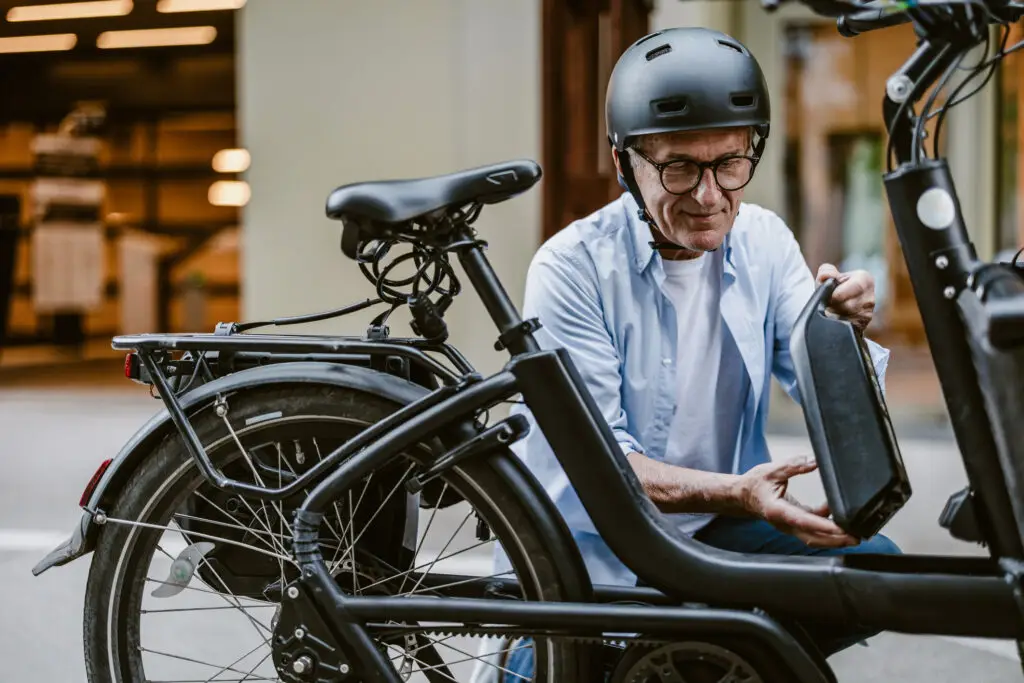
An e-bike, short for electric bicycle, is a bicycle equipped with an electric motor that assists the rider’s pedaling efforts. These bikes combine the traditional functionality of a bicycle with the convenience of motorized propulsion, making them an increasingly popular choice for commuting, recreation, and even delivery services. E-bikes offer a more accessible, eco-friendly transportation alternative that allows riders to travel greater distances with less physical exertion.
E-bikes come in three main classes in the United States, defined by their speed capabilities and level of motor assistance:
- Class 1: These e-bikes provide pedal-assist functionality only, meaning the motor activates only when you pedal. The motor assistance cuts off when the bike reaches a speed of 20 mph.
- Class 2: These e-bikes feature a throttle that allows the motor to propel the bicycle without the need to pedal. Similar to Class 1, the motor assistance is limited to speeds of 20 mph.
- Class 3: These e-bikes are equipped with pedal-assist, but the motor provides assistance up to a higher speed limit of 28 mph. They are often used by more experienced e-bike riders for faster commutes but may be restricted from certain bike paths or trails due to their speed.
Understanding these classifications can help riders choose the e-bike that best suits their needs while adhering to regional regulations and safety requirements.
Are E-Bikes More Dangerous Than Regular Bikes?
E-bikes, while offering numerous advantages, can pose certain risks that differ from traditional bicycles. These potential dangers often stem from their increased speed and weight, as well as how they are operated or regulated. Below are some key factors to consider:
- Higher Speeds: E-bikes can reach much higher speeds than regular bicycles, especially Class 3 models, which can increase the likelihood and severity of accidents.
- Heavier Weight: The added weight of the motor and battery can make e-bikes harder to maneuver and stop quickly, particularly for less experienced e-bike riders.
- Regulatory Gaps: Variations in local regulations and enforcement can lead to unsafe usage, such as operating e-bikes in areas not designed for higher speeds.
- False Sense of Security: Users may become over-reliant on the motor assistance when riding e-bikes, potentially underestimating risks like sharp turns or sudden stops.
- Mixed Usage on Shared Paths: Higher speeds of e-bikes may not align with other slower users on bike paths or trails, increasing the chance of collisions.
By understanding these risks, e-bike riders can take proactive steps to mitigate dangers and ensure a safe riding experience for themselves and others.
How Many Electric Bike Accidents Happen In Indiana Each Year?
E-bike accidents are a growing concern as the popularity continues to rise across the state of Indiana. Understanding the statistics surrounding these incidents can help identify trends and improve safety measures for riders and pedestrians alike.
- Rising Numbers: Over the past few years, Indiana has experienced a steady increase in reported e-bike incidents, mirroring national trends driven by the growing adoption of e-bikes.
- Urban Areas Most Affected: Cities such as Indianapolis and Fort Wayne report higher concentrations of e-bike-related accidents due to denser population and traffic levels.
- Common Causes: Many accidents stem from rider inexperience, failure to obey traffic laws, or unsafe interactions with motor vehicles.
- Age Groups Most Affected: The majority of riders involved in electric bike accidents are between the ages of 25 and 45, though incidents involving teenagers and older adults are also notable.
- Fatalities and Serious Injuries: While most e-bike crashes result in minor injuries, there are still occurrences of severe injuries and even fatalities each year.
Analyzing these e-bike accident statistics underscores the importance of promoting education, enforcing safety regulations, and fostering responsible e-bike usage in Indiana.
What Are Some Common E-Bike Injuries?
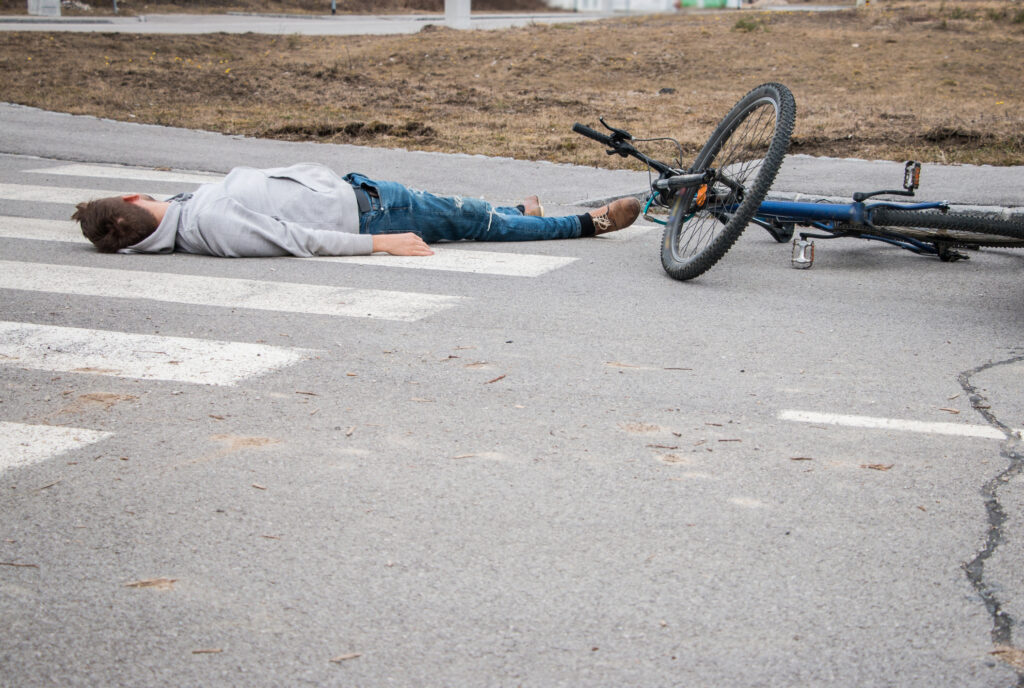
E-bikes provide an efficient and enjoyable way to travel, but like any mode of transportation, they come with inherent risks. Understanding the most common injuries associated with e-bike use can help riders take proper precautions and promote safer habits while riding bikes. Below are some of the most frequent types of e-bike injuries reported:
Head and Neck Injuries
Head and neck injuries are some of the most serious and commonly reported in accidents involving e-bikes. Riders may experience concussions, skull fractures, or traumatic brain injuries (TBIs) due to impacts during a collision or a fall. Neck strains and cervical spine injuries can also occur, especially if the rider is thrown from the bike at high speeds.
Fractures
Fractures, particularly in the wrists, arms, and collarbone, occur frequently during e-bike crashes. These injuries often result from riders extending their arms to break a fall or due to the higher speeds that e-bikes can reach compared to traditional bicycles.
Soft Tissue Injuries
Soft tissue injuries such as bruises, cuts, and abrasions are also prevalent. These typically happen during minor spills or collisions. While they are generally less severe, improper treatment of open wounds can lead to infections.
Lower Limb Injuries
Crashes involving e-bikes often result in injuries to the knees, shins, or ankles. This is especially common among newer riders adjusting to the weight and power of an e-bike, as improper handling or balance can lead to falls.
By recognizing these common e-bike injuries, users can take preventative measures like wearing safety equipment, performing regular maintenance, and following safe practices while riding e-bikes.
How Can I Stay Safe While Riding An E-Bike?
Riding an e-bike can be an enjoyable and efficient way to get around, but safety should always be a top priority. By following a few essential electric bicycle safety tips, you can reduce risks and ensure a smoother riding experience.
- Wear Proper Safety Gear: Always wear a helmet to protect your head in case of accidents, and consider additional protective gear like gloves and knee pads for extra safety.
- Perform Pre-Ride Checks: Inspect your e-bike before every ride, ensuring that brakes, tires, lights, and the battery are all functioning properly.
- Obey Traffic Rules: Follow standard traffic laws, use bike lanes where available, and respect traffic signals and signs.
- Be Visible: Wear bright or reflective clothing, especially when riding at dawn, dusk, or nighttime, and ensure your e-bike’s lights are on.
- Use Caution with Speed: Monitor your speed, especially in crowded or unfamiliar areas, as high speeds can increase the risk of accidents.
- Stay Alert and Focused: Avoid distractions like using your phone while riding, and always be aware of your surroundings, including pedestrians, other cyclists, and vehicles.
- Plan Your Routes: Choose safe paths that are well-lit and suitable for electric bikes, avoiding overly congested or hazardous areas where possible.
By adhering to these e-bike safety guidelines, you can enjoy the benefits of riding while staying protected on the road.

How Will a Personal Injury Lawyer Help Me After An Electric Bicycle Accident?
A personal injury lawyer plays a crucial role in navigating the complexities of an accident case involving an electric bike. With their expertise, they can help you build a strong claim and ensure that you receive the compensation you deserve. Here are some key ways an e-bike accident lawyer can assist you:
- Evaluate Your Case: A lawyer will review the details of your accident, assess the strength of your claim, and advise you on the best course of action.
- Gather Evidence: They will collect crucial evidence such as police reports, witness statements, surveillance footage, and medical records to support your case.
- Determine Liability: Establishing fault can be challenging. Your lawyer will meticulously analyze the case to identify all parties responsible.
- Negotiate with Insurance Companies: Insurance companies may attempt to minimize their payout. A lawyer will handle communications and negotiate on your behalf to secure a fair settlement.
- Represent You in Court: If a settlement cannot be reached, a personal injury lawyer will advocate for you in court, presenting a compelling argument to fight for maximum compensation.
- Understand Applicable Laws: E-bike regulations and personal injury laws vary by jurisdiction. A knowledgeable lawyer will ensure that all relevant legal aspects are considered in your case.
Why Should I Choose Doehrman Buba Ring?
At Doehrman Buba Ring, we understand the unique challenges that e-bike accident victims face. With decades of experience in personal injury law, our team is dedicated to providing personalized legal representation tailored to your specific situation. We pride ourselves on our commitment to achieving justice for our clients, leveraging our deep knowledge of e-bike regulations and personal injury laws to build a strong case on your behalf. Our proven track record of securing substantial settlements and verdicts speaks to our expertise and relentless pursuit of fair compensation.
Choosing Doehrman Buba Ring means choosing a team that genuinely cares about your recovery and future. We will guide you through every step of the legal process, ensuring that you feel informed and confident along the way. Don’t face the aftermath of an electric bicycle accident alone—partner with a team of attorneys who will fight for your rights and maximize your compensation.
Take the first step toward justice today. Contact Doehrman Buba Ring to schedule your free consultation and learn how we can help you get the results you deserve. Call us now or visit our website to get started!